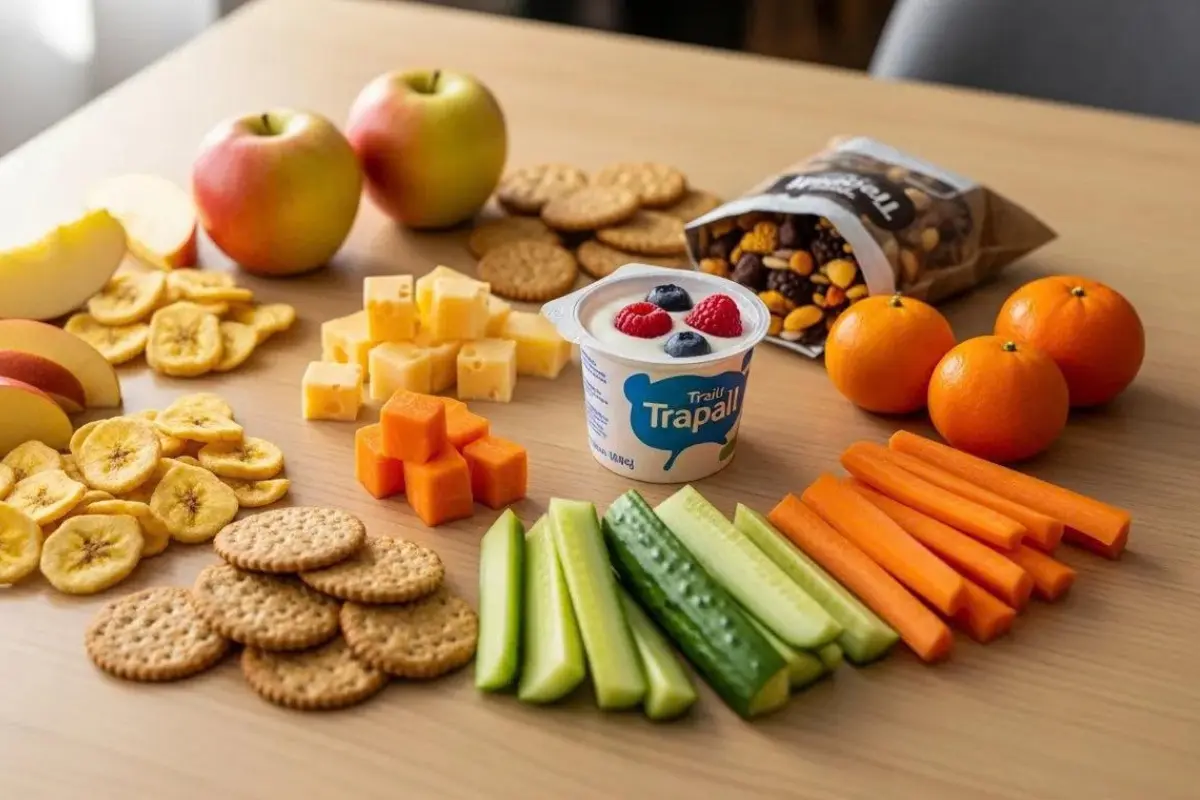
What children eat can affect their teeth and gums. A balanced diet gives children the nutrients they need for healthy growth and strong teeth. It can also help parents build better eating habits from an early age.
Some foods are better choices for children’s teeth than others. Foods such as cheese, plain yogurt, vegetables, whole fruits, eggs, and other protein-rich foods can be part of a tooth-friendly diet. Water is also a simple choice for keeping children hydrated between meals.
At the same time, children do not need to avoid every sweet food. The bigger concern is how often teeth are exposed to sugar, especially from sugary drinks and frequent snacks.
In this guide, you will learn about the best foods for kids’ teeth, healthy snack ideas, drinks that are better for children’s teeth, foods to limit, and simple ways to make your child’s daily diet more tooth-friendly.
Why Is Food Important for Kids’ Dental Health?
Food provides nutrients that help children grow and develop. A healthy diet also supports the teeth, gums, and other tissues in the mouth.
Children need nutrients such as calcium, phosphorus, protein, and vitamin D as part of a balanced diet. Dairy foods such as milk, cheese, and yogurt are good sources of calcium. Other foods can also contribute important nutrients to a child’s diet.
A balanced diet provides children with important nutrients and can also help reduce the risk of dental problems. The American Academy of Pediatric Dentistry dietary recommendations support nutrient-dense foods and limiting added sugars as part of a healthy diet for children.

Nutrients Help Build Strong Teeth
Calcium is important for strong teeth and bones. Milk, cheese, and yogurt are common sources of calcium for children. Some vegetables and fortified foods can also provide calcium.
Protein is another important part of a child’s diet. Eggs, fish, chicken, beans, lentils, nuts, seeds, and other protein foods can help children get the nutrients they need.
A balanced diet is better than focusing on one “magic” food for healthy teeth.
Sugar and Frequent Snacking Can Increase Cavity Risk
Sugar is one of the main dietary concerns for children’s teeth. When children frequently eat or drink sugary foods, bacteria in dental plaque can use the sugars and produce acids that attack tooth enamel.
According to the American Dental Association: Nutrition and Oral Health, frequent consumption of sugary foods and snacks can increase the risk of tooth decay, so the frequency of sugar exposure is also important.
This does not mean your child can never enjoy a sweet treat. It means that sugary foods should not become an all-day habit.
7 Best Foods for Kids’ Teeth
There is no single food that can prevent cavities. However, many nutritious foods can be part of a healthy diet that supports children’s dental health.
Here are some of the best foods for kids’ teeth that parents can include in regular meals and snacks.
1. Milk, Cheese, and Plain Yogurt
Milk, cheese, and plain yogurt are popular choices for children’s diets. They provide calcium and other nutrients that support healthy teeth and bones.
Cheese can also be an easy snack for children. You can serve small pieces of cheese with vegetables or whole fruit.
When choosing yogurt, check the nutrition label for added sugar. Plain or unsweetened yogurt is often a better choice than heavily sweetened varieties.
Dairy foods are not the only source of calcium, but they can be an easy way to include calcium in a child’s daily diet.
2. Leafy Green Vegetables
Leafy green vegetables can be a healthy addition to your child’s meals.
Examples include:
- Spinach
- Broccoli
- Kale
- Collard greens
These vegetables provide important vitamins and minerals as part of a balanced diet.
Some children may not like leafy greens at first. Try adding small amounts to foods they already enjoy. You can also serve cooked vegetables in different ways until you find an option your child likes.
The goal is not to make one vegetable responsible for healthy teeth. It is to help children eat a variety of nutritious foods.
3. Fresh Fruits
Fresh fruit is another good option for children.
Some choices include:
- Apples
- Pears
- Strawberries
- Melons
- Oranges
- Peaches
- Blueberries
Whole fruit provides nutrients and fiber. It is also different from fruit juice because children eat the whole fruit rather than drinking a concentrated source of its sugars.
Fruit still contains natural sugars, so it should not be treated as a food that can never affect teeth. The overall eating pattern and frequency of sugar exposure matter.
4. Crunchy Vegetables
Crunchy vegetables can make a simple and nutritious snack.
Good options include:
- Carrots
- Cucumber
- Bell peppers
- Celery
You can cut vegetables into age-appropriate pieces and serve them with a meal or snack.
Vegetables provide fiber, vitamins, and minerals. They can also help children get used to choosing nutritious snacks instead of sugary foods.
For young children, always prepare foods in a way that matches their age and chewing ability.
5. Eggs, Fish, and Lean Protein Foods
Fish can also provide important nutrients. Choose options that are appropriate for your child’s age and follow local guidance about fish choices for children.
A varied diet gives children more than one way to get the nutrients they need.
6. Nuts, Seeds, and Nut Butters
Nuts and seeds can provide protein, healthy fats, and other nutrients.
For older children who can safely eat whole nuts, options such as almonds, walnuts, or peanuts can be included in a balanced diet.
For younger children, whole nuts can be a choking hazard. Use age-appropriate forms such as smooth nut butter when suitable, and follow your child’s healthcare provider’s advice about introducing these foods.
Choose nut butters without unnecessary added sugar when possible.
7. Whole-Grain Foods
Whole-grain foods can also be part of a healthy diet for children.
Examples include:
- Oatmeal
- Whole-grain bread
- Whole-grain cereals
- Whole-grain crackers
However, “whole grain” does not automatically mean a food is tooth-friendly in every situation.
Some starchy foods can stick around the teeth or get trapped between them. Bacteria can also break down carbohydrates and contribute to acid production. This is why the type of food and how often a child eats it both matter.
What Is the Best Drink for Kids’ Teeth?
Choosing the right drink is an important part of children’s dental health.

Water
Water is one of the simplest choices for children.
It keeps children hydrated and does not add sugar to the diet. Offering water between meals can also help reduce the need for sweet drinks.
The American Academy of Pediatric Dentistry recommends fluoridated water as the preferred source of hydration for children and adolescents.
If your local water supply contains fluoride, it may provide additional protection against tooth decay.
Plain Milk
Plain milk can provide calcium and other nutrients. It can be part of a balanced diet for children.
Flavored milk is different because it can contain added sugar. Check the label when choosing milk products for your child.
What About Fruit Juice?
Fruit juice should not be treated the same as whole fruit.
Even 100% fruit juice contains free sugars. Frequent exposure to these sugars can increase the risk of tooth decay.
For everyday hydration, water is a simple choice. Whole fruit is generally a better option than replacing fruit with juice.
The Best Healthy Snacks for Kids’ Teeth
Children often need snacks between meals. The important thing is to make those snacks nutritious and avoid constant exposure to sugary foods.
Some healthy snacks for kids’ teeth include:
- Cheese cubes
- Plain yogurt
- Cucumber
- Carrot pieces prepared safely
- Fresh fruit
- Eggs
- Whole-grain foods
- Nut butter when age-appropriate
You do not need to make every snack complicated. A small piece of cheese and some fresh fruit can be enough.
How Often Should Kids Snack?
Snacking all day can be a problem when children frequently choose sugary or starchy foods.
Every time children eat foods containing fermentable carbohydrates, bacteria can produce acids that affect the teeth. More frequent sugar consumption and between-meal snacking have been associated with greater caries risk.
Try to keep a regular meal and snack routine instead of allowing children to graze throughout the day.
For between-meal drinks, make water the usual choice.
Foods and Drinks to Limit for Healthy Teeth
Parents do not have to completely remove every sweet food from a child’s diet. However, some foods and drinks should be limited because they can increase exposure to sugar or stay around the teeth for longer.
Sugary Drinks
Examples include:
- Soda
- Sweetened fruit drinks
- Sports drinks
- Energy drinks
- Sweetened tea
- Other sugar-sweetened beverages
Frequent sugary drinks can expose teeth to sugar again and again.
Water is a better everyday choice, especially between meals.
Sticky and Chewy Foods
Sticky foods can stay on or around teeth for longer.
Examples include:
- Gummies
- Toffee
- Caramel
- Sticky candies
- Fruit snacks
- Some dried fruits
Dried fruit may be nutritious, but it can also be sticky and contain concentrated natural sugars. This is why it should not automatically be considered a tooth-friendly snack just because it is a fruit.
Sugary Snacks
Try to limit frequent consumption of:
- Candy
- Cookies
- Cakes
- Sweet pastries
- Ice cream
- Sweetened cereals
If your child has a sweet food, offering it as part of a meal rather than having small sugary snacks throughout the day can reduce repeated exposure between meals.
Frequently Eaten Starchy Snacks
Some foods that parents consider healthy can still be a concern when eaten very frequently.
Examples include:
- Crackers
- Chips
- Soft bread
- Pretzels
- Some sweetened cereals
Starchy foods can break down into sugars in the mouth, and some can stick around the teeth. This does not mean children should never eat them. Portion, food choice, and eating frequency all matter.
How to Make Your Child’s Diet More Tooth-Friendly
You do not need to change your child’s entire diet at once. Small changes can make daily meals and snacks more tooth-friendly.
- Offer water between meals.
Make water the usual drink when your child is thirsty between meals. - Include calcium-rich foods.
Add milk, cheese, yogurt, or other suitable calcium sources to meals. - Offer more whole fruits and vegetables.
Keep simple options available so children can choose them for snacks. - Choose nutritious snacks.
Cheese, plain yogurt, vegetables, eggs, and age-appropriate whole foods are useful choices. - Limit sugary drinks.
Avoid making juice, soda, or other sweet drinks a regular part of the day. - Reduce constant snacking.
Try to keep a regular meal and snack schedule. American Dental Association: Caries Risk Assessment and management Reducing frequent sugary snacks and carbohydrate exposure between meals can help lower children’s risk of tooth decay. - Check food labels.
Look for added sugars in cereals, yogurt, drinks, snack bars, and other packaged foods. - Keep oral hygiene part of the routine.
Tooth-friendly foods support dental health, but they do not replace brushing with fluoride toothpaste and cleaning between teeth when appropriate.
A Simple One-Day Tooth-Friendly Meal Plan for Kids
You do not need a special diet to support your child’s teeth. A simple balanced meal plan can include different food groups throughout the day.
Breakfast:
Oatmeal with fresh fruit and plain yogurt. Water or plain milk.
Lunch:
Chicken, egg, beans, or another protein source with vegetables and a whole-grain food. Water.
Snack:
Cheese with cucumber or another age-appropriate vegetable.
Dinner:
Fish, chicken, beans, or lentils with vegetables and a suitable whole-grain food. Water.
Optional snack:
Plain yogurt or fresh fruit if your child’s normal eating schedule includes an evening snack.
This is only an example. Children’s nutritional needs vary by age, growth, activity level, allergies, and other factors.
Are All “Healthy” Foods Good for Kids’ Teeth?
Not necessarily.
A food can be nutritious overall but still contain natural or added sugars or carbohydrates that affect teeth.
For example, dried fruit can provide nutrients but may also be sticky. Fruit juice can contain vitamins but also has free sugars. Crackers can be part of a balanced diet but may leave starch around the teeth.
Even milk and vegetables contain naturally occurring sugars. The goal is not to remove all foods containing sugar. Instead, focus on a balanced diet and avoid frequent exposure to sugary foods and drinks.
This is why parents should look at the whole eating pattern rather than asking whether one food is simply “good” or “bad” for teeth.
Do Kids Still Need to Brush If They Eat Tooth-Friendly Foods?
Yes.
Choosing the best foods for kids’ teeth can support a healthy diet, but food cannot replace good oral hygiene.
Children should brush their teeth regularly with fluoride toothpaste according to their age and dental guidance. Cleaning between teeth is also important when the teeth touch.
Regular dental visits are another important part of preventing and finding dental problems early.
A child can eat a healthy diet and still develop cavities if brushing and other preventive care are neglected.
Think of diet as one part of children’s dental health. Good food choices, fluoride, brushing, cleaning between teeth, and regular dental care all work together.
Final Thoughts
A healthy diet can play an important role in children’s dental health. You do not need to follow a complicated food plan. Start with simple choices such as cheese, plain yogurt, fresh fruits, vegetables, eggs, and other nutritious foods.
Water can be the main drink between meals. At the same time, try to limit sugary drinks, sticky foods, and frequent snacking.
The most important thing is consistency. Healthy food choices work best when they become part of your child’s normal routine.
Remember that tooth-friendly foods are only one part of good dental care. Regular brushing with fluoride toothpaste, cleaning between teeth, and routine dental visits are also important for keeping your child’s teeth healthy.
FAQs About Foods for Kids’ Teeth
- 1 What are the best foods for kids’ teeth?Some good choices include cheese, plain yogurt, milk, fresh fruits, vegetables, eggs, fish, beans, and other nutritious foods. The goal is to provide a balanced diet while limiting frequent exposure to sugary foods and drinks.
- 2 What foods help strengthen children’s teeth?Calcium-rich foods such as milk, cheese, and yogurt can help provide nutrients needed for strong teeth and bones. A balanced diet also provides protein, phosphorus, vitamin D, and other nutrients that support healthy growth.
- 3 Are apples good for children’s teeth?Whole apples can be part of a healthy diet for children. They provide fiber and nutrients. However, apples should not be considered a replacement for brushing, and whole fruit should not be confused with fruit juice.
- 4 Is milk good for kids’ teeth?Plain milk provides calcium and other nutrients that can support healthy teeth and bones. However, flavored milk may contain added sugar, so checking the label can help parents make better choices.
- 5 What snacks are good for kids’ teeth?
Good options include cheese, plain yogurt, fresh vegetables, whole fruit, eggs, and other nutritious foods that are suitable for the child's age. Water is a good choice with snacks.
- 6 Is fruit juice bad for children’s teeth?Fruit juice is not the same as whole fruit because it contains free sugars. Frequent exposure to juice can increase the risk of tooth decay. Water is a better everyday drink between meals.
- 7 What foods should kids avoid for healthy teeth?Children do not need to completely avoid every sweet food. However, it is better to limit sugary drinks, sticky candies, frequent sugary snacks, and foods that are repeatedly eaten throughout the day.