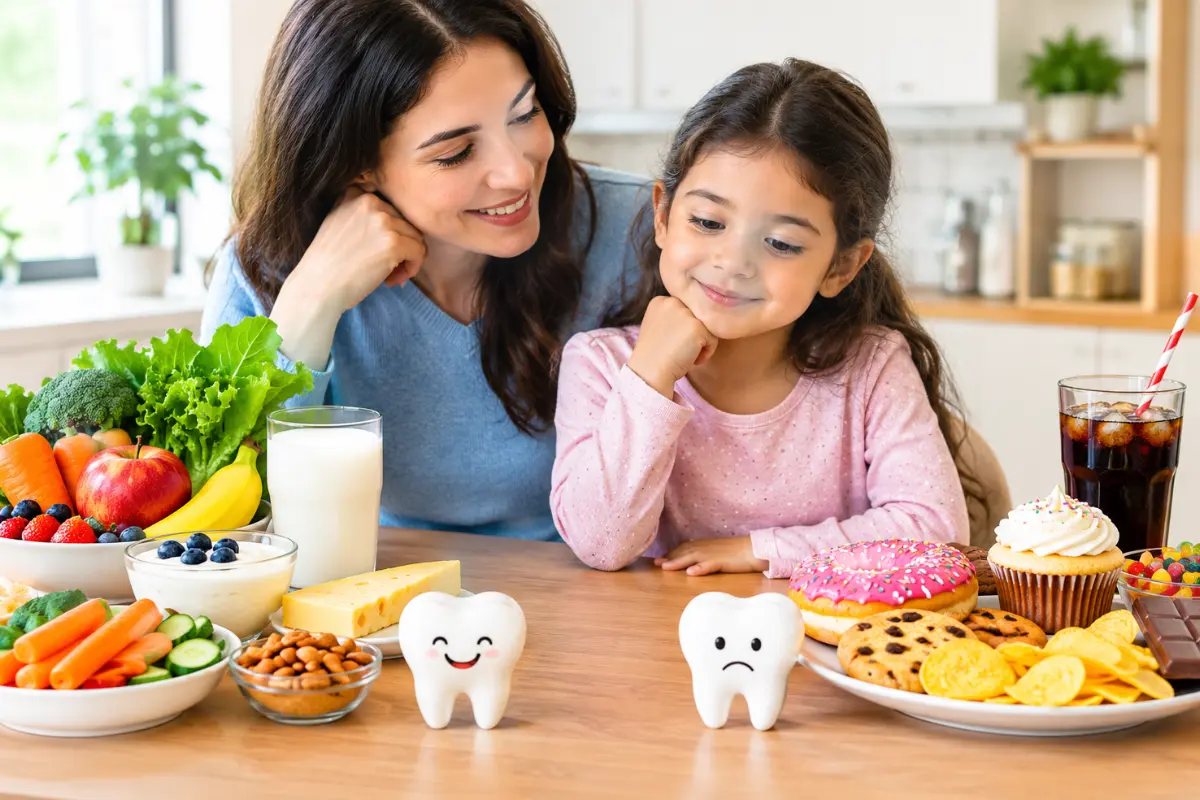
Parents often wonder which foods are most likely to cause cavities in children. The answer is not simply candy or soda. Foods That Cause Cavities in Children: What Parents Should Know begins with a bigger issue: how often teeth meet sugars, starches, and acids throughout the day. Plaque bacteria can turn sugars and starches into acids that weaken enamel. Frequent snacks and sweet drinks can keep this process going, especially between meals. This guide explains foods that raise cavity risk, drinks parents should limit, and tooth-friendly choices for everyday family life. You will also learn practical ways to protect your child’s teeth without banning every favorite food from the menu.
How Do Foods Cause Tooth Decay in Children?
The real problem starts when food meets plaque bacteria on the teeth.
Some bacteria in dental plaque use sugars and starches from foods and drinks to produce acids. Those acids can remove minerals from tooth enamel. When this happens repeatedly, enamel can become weaker and eventually develop a cavity.
This means parents should look beyond obvious sweets.
Candy, cookies, soda, juice, crackers, bread, and other carbohydrate-containing foods can contribute to the tooth decay process. The risk becomes more concerning when children eat or drink these foods frequently throughout the day.
Fortunately, teeth are not helpless.
Saliva helps neutralize acids and supplies minerals that support enamel repair. Fluoride also helps strengthen enamel and prevent or slow tooth decay. This natural repair process becomes harder to keep up with when teeth face repeated acid attacks.
So, the goal is not to create a completely sugar-free childhood. Instead, parents can reduce frequent exposure, choose tooth-friendly snacks, offer water regularly, and maintain a consistent oral hygiene routine.
What Foods Cause Cavities in Children?

Certain foods deserve extra attention because they contain added sugars, starches, or both.
1. Sticky and Gummy Candy
Sticky candy can be especially troublesome because it may cling to teeth and remain in the mouth longer.
Examples include:
- Gummy candies
- Caramels
- Taffy
- Fruit snacks
- Gummy worms
- Chewy candy
- Fruit roll-ups
These foods can leave sugar around the grooves and spaces of children’s teeth. If a child eats them repeatedly throughout the day, the teeth experience more opportunities for acid production.
That does not mean one piece of candy automatically creates a cavity. The bigger concern is the overall pattern of eating, oral hygiene, and frequency of exposure.
2. Hard Candy and Lollipops
Hard candy creates a different problem.
A child may keep a lollipop or hard candy in the mouth for an extended period. As the candy dissolves, sugar remains available to plaque bacteria.
Therefore, allowing children to suck on sugary candy for long periods can create prolonged sugar exposure.
If your child has candy occasionally, offering it with a meal rather than allowing repeated snacking may reduce the number of separate acid attacks on the teeth.
3. Cookies, Donuts, and Sweet Baked Foods
Cookies and donuts are easy to overlook because they are ordinary snack foods.
However, many contain added sugars and refined carbohydrates. Some also leave small food particles around teeth.
Common examples include:
- Cookies
- Donuts
- Cupcakes
- Sweet pastries
- Cakes
- Sweet breakfast bars
These foods can fit into an occasional treat pattern. The important point is to avoid turning sugary foods into an all-day grazing habit.
4. Dried Fruit and Fruit Snacks
Dried fruit may sound healthier than candy, but it can still be challenging for children’s teeth.
Raisins, dried cranberries, fruit leather, and similar products contain concentrated natural sugars. Some dried fruits are also sticky and can remain around teeth.
Parents do not need to remove fruit from a child’s diet. Whole fresh fruit is generally a more tooth-friendly everyday choice because it contains water and is less concentrated than dried fruit.
5. Crackers, Chips, and Refined Starches
Not every cavity-causing food tastes sweet.
Crackers, pretzels, potato chips, white bread, and similar starchy foods can also contribute to the tooth decay process. Bacteria can use carbohydrates from these foods to produce acids.
This is why simply avoiding candy does not completely solve the problem.
For example, a child who frequently snacks on crackers throughout the day may still experience repeated acid attacks.
Portioning snacks and keeping regular meal and snack times can be more helpful than allowing children to nibble continuously.
6. Sugary Breakfast Foods
Some children’s breakfast foods contain more added sugar than parents realize.
Examples can include:
- Sugary cereals
- Sweetened oatmeal
- Breakfast pastries
- Flavored yogurt with added sugar
- Pancakes with large amounts of syrup
A better approach is to build breakfast around foods that provide useful nutrients without making added sugar the main feature.
For example, plain yogurt with fruit, eggs with whole-grain toast, or oatmeal with fresh berries can be practical alternatives.
7. Chocolate and Sweet Desserts
Chocolate itself is not automatically a cavity-causing food.
The concern is usually the added sugar and how frequently the food is eaten.
Chocolate bars, chocolate cookies, brownies, and other desserts can increase children’s sugar exposure. Choosing smaller portions and keeping sweets as occasional foods can help create a more tooth-friendly routine.
Which Drinks Can Cause Cavities in Kids?
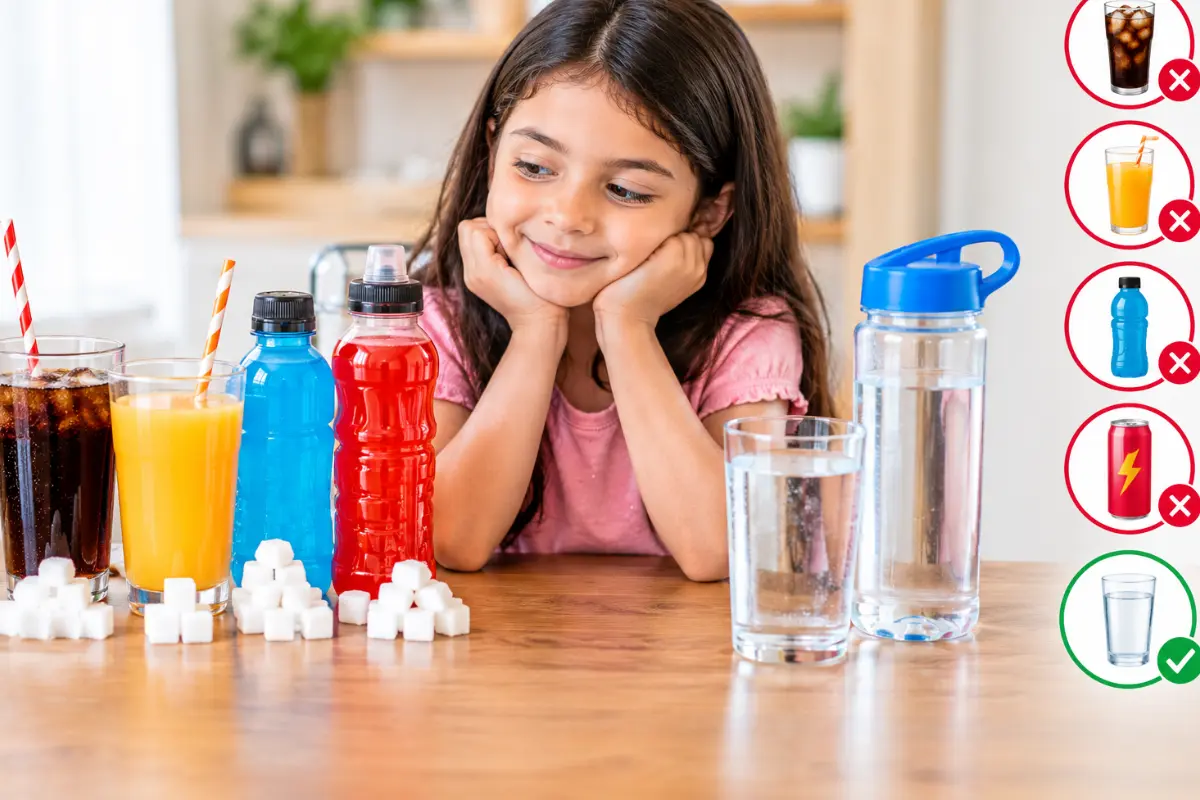
Drinks deserve special attention because children can consume them repeatedly without feeling as though they are eating a snack.
Soda and Soft Drinks
Regular soda can contain substantial amounts of added sugar. Frequent consumption also exposes teeth to acids.
For everyday hydration, water is a much simpler choice.
Fruit Drinks and Sweetened Juice Beverages
Parents sometimes assume anything labeled “fruit” is automatically healthy for teeth.
That is not always the case.
The CDC identifies sugar-sweetened beverages as an important source of added sugars and notes their association with tooth decay and cavities.
Instead of allowing children to sip sweet drinks throughout the day, make water the regular beverage and follow age-appropriate juice guidance from your child’s pediatrician or dentist.
Sports and Energy Drinks
Sports and energy drinks are generally unnecessary for most young children during ordinary daily activities.
Many contain added sugars, and some are acidic. Frequent exposure can increase concerns for both tooth decay and enamel erosion.
Parents should be especially cautious about allowing children to carry these drinks around and sip them for hours.
Chocolate Milk and Flavored Milk
Milk can be a nutritious part of a child’s diet, but flavored milk often contains added sugar.
The issue becomes more significant when a child repeatedly drinks sweetened milk between meals or before bedtime.
If flavored milk is part of your child’s diet, discuss appropriate choices and portions with your child’s pediatrician or dentist.
Water Is the Best Everyday Drink
Water is one of the easiest ways to improve a child’s dental routine.
The American Academy of Pediatric Dentistry identifies fluoridated water as the preferred source of hydration for children and adolescents.
For families using community tap water, parents can check whether their local water supply is fluoridated.
You can also ask your child’s dentist whether additional fluoride protection is appropriate.
How Does Frequent Snacking Increase the Risk of Cavities?
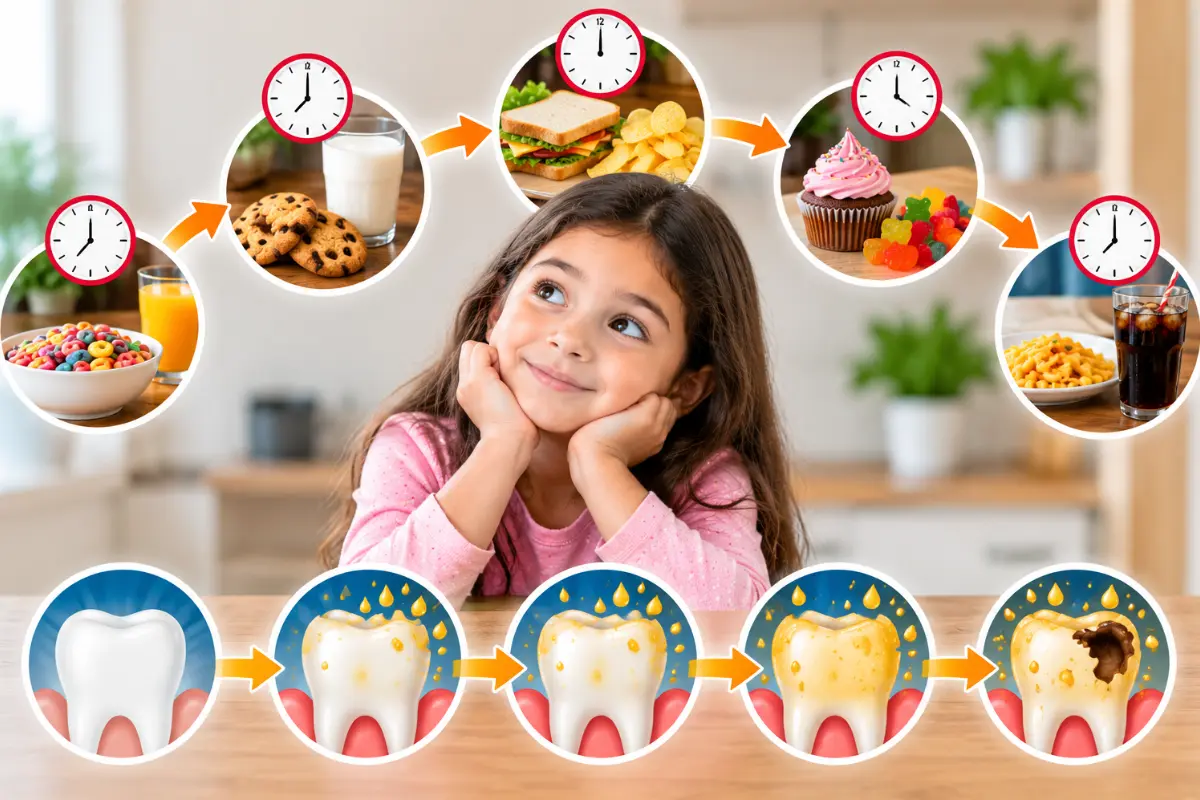
The clock matters almost as much as the food.
Every time a child consumes foods or drinks containing sugars or starches, plaque bacteria can produce acids. Teeth then need time for saliva and fluoride to help repair mineral loss.
When children constantly graze, teeth may experience repeated acid attacks with less recovery time between them. NIDCR specifically recommends limiting between-meal snacks because this reduces repeated acid attacks and gives teeth more opportunity to repair themselves.
For example, compare these two patterns:
Pattern A:
A child eats a sweet snack once with lunch.
Pattern B:
The same child eats small sugary snacks several times between breakfast, lunch, and dinner.
The second pattern creates more frequent opportunities for acid exposure.
Therefore, parents should think about how often a child eats as well as what the child eats.
A regular meal and snack schedule can make this easier.
Are Some Foods Better for Children’s Teeth?

Absolutely.
A tooth-friendly diet does not need to be complicated. The best choices are usually ordinary foods that provide useful nutrients without excessive added sugar.
Good options can include:
- Cheese
- Plain yogurt
- Milk
- Eggs
- Chicken
- Fish
- Vegetables
- Carrots
- Celery
- Broccoli
- Apples
- Pears
- Berries
- Nuts and seeds, when age-appropriate and safe
- Water
Cheese and other dairy foods can be useful additions to meals and snacks. Vegetables and whole fruits can also provide nutritious alternatives to highly processed sugary snacks.
However, parents should remember that even healthy foods can contain natural sugars or carbohydrates. Good dental health still depends on brushing, fluoride exposure, appropriate eating patterns, and regular dental care.
What Should Children Eat Instead of Sugary Snacks?
Replacing a problem food is often easier than simply saying “no.”
Instead of cookies, try:
- Apple slices with a small amount of peanut butter
- Cheese with whole-grain crackers
- Plain yogurt with berries
- Carrot or cucumber pieces
- Pear slices
- A boiled egg
- Celery with an appropriate nut or seed butter
Instead of sugary drinks, offer:
- Plain water
- Fluoridated tap water when available
- Plain milk
The best snack is one that fits your child’s age, nutritional needs, allergy considerations, and dental needs.
Parents should also remember that snacking frequency matters. A tooth-friendly snack eaten at a regular snack time is different from continuously grazing on carbohydrate-rich foods for hours.
Foods That Cause Cavities in Children: What Parents Should Know About Acidic Foods
Acidic foods deserve a separate discussion because cavities and enamel erosion are related but not identical problems.
Citrus fruits such as oranges, lemons, limes, and grapefruit are acidic. Acidic foods and drinks can contribute to enamel erosion when exposure is frequent.
However, parents should not interpret this as a reason to remove nutritious fruits from a child’s diet.
Instead, focus on the overall eating pattern.
Avoid having children slowly sip acidic drinks for long periods. Water can be offered afterward. It is also helpful to discuss persistent enamel concerns with a dentist.
The American Dental Association recommends limiting added sugars and high-acid foods as part of caries-risk management, alongside good oral hygiene.
How Can Parents Prevent Cavities in Children?
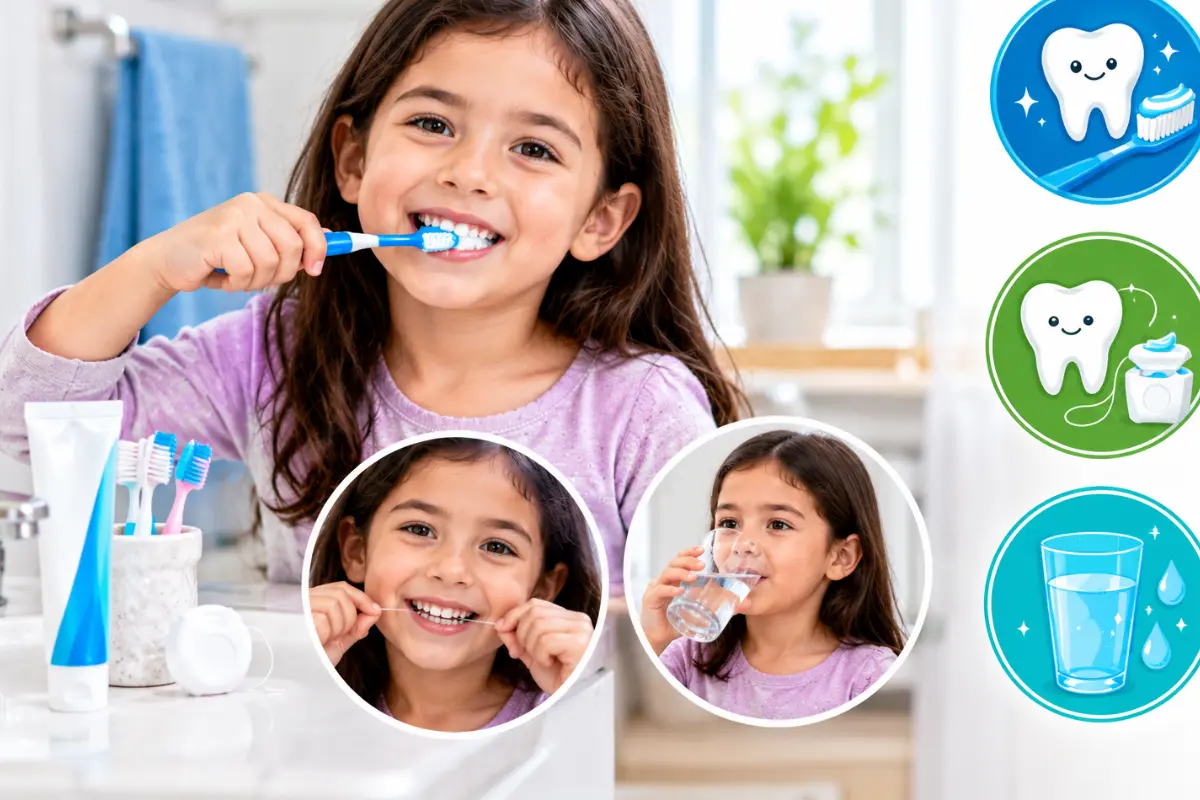
Food choices are only one part of cavity prevention.
A strong prevention routine combines diet, fluoride, brushing, cleaning between teeth, and professional dental care.
Brush Twice a Day With Fluoride Toothpaste
Children should brush twice daily with fluoride toothpaste according to age-appropriate guidance.
The CDC recommends fluoride toothpaste for children and advises parents to supervise young children during brushing.
For children under 2, parents should discuss fluoride toothpaste use with their dentist or doctor. For children under 6, supervision is important because young children may swallow toothpaste.
Clean Between Teeth
When teeth touch, a toothbrush may not clean the contact area effectively.
Daily flossing or another appropriate interdental cleaner can help remove plaque and food particles from between teeth.
This becomes especially important when children’s teeth are crowded or touching.
Make Water the Default Drink
Keeping water available is a simple household habit.
Instead of offering juice or sweetened drinks whenever a child asks for something to drink, make water the normal choice between meals.
If your community water contains fluoride, it may provide additional cavity protection. CDC explains that fluoride helps prevent cavities and supports stronger enamel against acid damage.
Avoid Sugary Drinks Before Bed
Bedtime deserves extra attention.
Saliva flow decreases during sleep. NIDCR advises that children should not consume sugary foods or drinks after brushing at bedtime because teeth have less saliva available to help repair acid-related mineral loss during sleep.
A simple routine can be:
Dinner → water → brushing → bedtime
Keep Regular Dental Visits
Children should receive professional dental care rather than waiting until a tooth hurts.
The CDC notes that cavities can cause pain and infections and can interfere with eating, speaking, playing, and learning when untreated.
A dentist can identify early problems, assess cavity risk, discuss fluoride, and recommend preventive treatments such as sealants when appropriate.
What Are the Early Signs of Cavities in Children?
Cavities do not always begin with obvious pain.
Parents may notice:
- White spots on teeth
- Brown or dark spots
- Tooth sensitivity
- Toothache
- Visible holes
- Food repeatedly getting stuck
- Swollen gums near an affected tooth
- Difficulty chewing
A white spot can represent early mineral loss before a full cavity develops. At this stage, dental care may help stop or reverse the early decay process.
Therefore, parents should not wait for severe pain before arranging a dental appointment.
When Should You Take Your Child to the Dentist?
If you notice a possible cavity, tooth pain, swelling, unusual sensitivity, or visible damage, contact your child’s dentist.
Regular dental visits are also important even when your child has no symptoms.
The CDC recommends yearly dental visits, while individual schedules can vary according to a child’s dental health and the dentist’s assessment.
Children at higher risk for cavities may need more frequent monitoring or additional preventive care.
A Simple Daily Dental Routine for Kids
Parents can make cavity prevention easier by keeping the routine predictable:
Morning
- Brush with fluoride toothpaste.
- Eat a balanced breakfast.
- Choose water as the regular drink.
During the day
- Keep regular meal and snack times.
- Limit sugary drinks.
- Choose nutritious snacks.
- Avoid constant grazing.
Evening
- Eat dinner.
- Choose water afterward.
- Clean between teeth when appropriate.
- Brush before bed.
- Avoid sugary foods and drinks after brushing.
Small habits repeated every day can have a meaningful effect on children’s oral health.
Final Thoughts
Understanding which foods cause cavities in children is not about creating a perfect diet. It is about recognizing eating patterns that repeatedly expose teeth to sugar, starch, and acid.
Sticky candy, sugary drinks, sweet desserts, dried fruit, crackers, chips, and frequent snacking can all contribute to tooth decay. However, parents do not need to eliminate every treat. Focus on limiting frequent exposure, choosing tooth-friendly foods, offering water, and maintaining a consistent dental care routine.
FAQs About Foods That Cause Cavities in Children
- 1 What foods cause cavities in children?Sticky candy, cookies, donuts, dried fruit, crackers, chips, sugary breakfast foods, and sweet desserts can contribute to tooth decay, especially when eaten frequently.
- 2. What drinks are bad for children's teeth?Soda, sugary fruit drinks, sports drinks, energy drinks, and frequently consumed flavored milk can increase children's exposure to sugar and acids. Water is a better everyday drink.
- 3. Can frequent snacking cause cavities in children?Yes. Frequent consumption of foods and drinks containing sugars or starches gives plaque bacteria repeated opportunities to produce acids, increasing acid exposure to the teeth.
- 4. What are the best foods for children's teeth?Tooth-friendly choices include cheese, plain yogurt, vegetables, whole fruits such as apples, pears and berries, eggs, chicken, fish, and water.
- 5. How can parents prevent cavities in children?Parents can help prevent cavities by limiting frequent sugary snacks and drinks, choosing water, brushing twice a day with fluoride toothpaste according to age-appropriate guidance, cleaning between teeth when appropriate, and maintaining regular dental visits.