
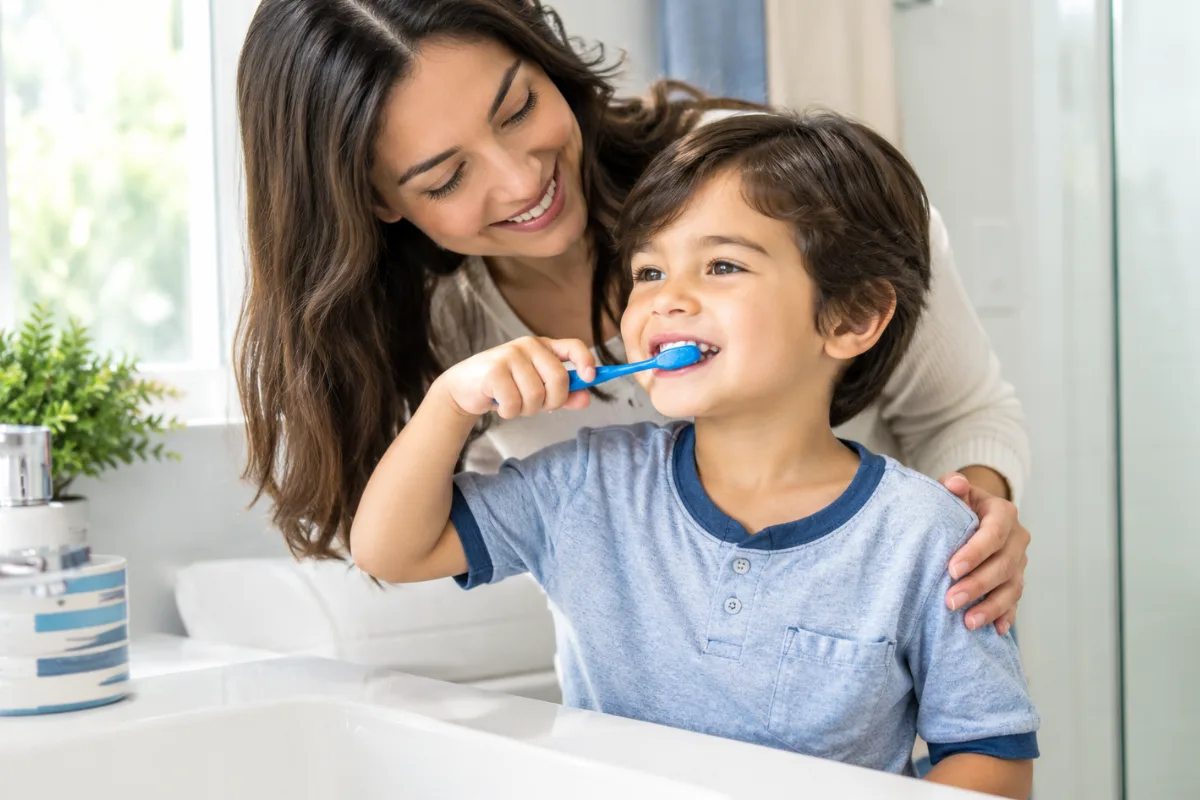
Is fluoride-free toothpaste better for kids? Many parents ask this question when choosing toothpaste for their children. Fluoride-free options may help clean teeth, but parents should understand their limitations when it comes to cavity prevention. Knowing the benefits, risks, and differences between fluoride and fluoride-free toothpaste can help you make an informed decision about your child’s oral health.
The answer depends on your child’s dental health, cavity risk, and toothpaste habits. Although fluoride-free toothpaste can clean teeth and may appeal to families who prefer certain ingredients, it does not offer the same established cavity-prevention benefits as fluoride toothpaste.
In this guide, you’ll learn about the benefits and risks of fluoride-free toothpaste for kids, how the two types compare, what to consider for babies and toddlers, and how to protect your child’s teeth with an age-appropriate oral care routine.
What Is Fluoride-Free Toothpaste, and How Does It Work?
Fluoride-free toothpaste is a toothpaste formulation that does not contain added fluoride. Like other toothpastes, it can help remove plaque, food particles, and debris from tooth surfaces when used with a toothbrush.
Fluoride is a naturally occurring mineral used in dental products because it helps protect teeth against decay. It supports enamel remineralization, the process through which minerals return to weakened areas of tooth enamel. It also helps teeth resist acid attacks caused by plaque bacteria and sugars.
Fluoride-free formulas work mainly through their cleaning ingredients and other active or inactive components. Depending on the product, these may include mild abrasives, flavoring agents, or alternative ingredients such as xylitol and hydroxyapatite.
However, not every fluoride-free toothpaste contains the same ingredients, and the evidence supporting individual ingredients varies. A product that cleans teeth effectively does not necessarily provide the same level of cavity protection as fluoride toothpaste.
The key difference is that both types can help clean teeth, but fluoride toothpaste has well-established evidence for preventing tooth decay in children.The American Dental Association explains the benefits of fluoride toothpaste in its guidance on toothpastes.
Is Fluoride-Free Toothpaste Better for Kids?
For most children, fluoride-free toothpaste is not the first choice for cavity prevention. The American Academy of Pediatric Dentistry recommends brushing twice daily with an age-appropriate amount of fluoride toothpaste because it helps reduce dental caries, also known as tooth decay.
Still, parents may prefer fluoride-free products because of ingredient preferences, concerns about swallowing toothpaste, or a child’s sensitivity to a particular formula. Those concerns deserve attention, but they should be considered separately from cavity protection.
Here’s how to think about the choice:
- If cavity prevention is the priority: Fluoride toothpaste has stronger, well-established evidence supporting its effectiveness.
- If swallowing is a concern: Use the recommended tiny amount of fluoride toothpaste, supervise brushing, and teach your child to spit when developmentally ready.
- If your child reacts to certain ingredients: Look for a suitable formula and discuss persistent irritation with a dentist.
- If your child has frequent cavities: Ask a pediatric dentist about an individualized prevention plan rather than relying on fluoride-free toothpaste alone.
Fluoride-free toothpaste may suit some family preferences, but avoiding fluoride is not automatically safer overall. The best toothpaste should clean effectively while also providing appropriate protection against cavities.
Benefits of Fluoride-Free Toothpaste for Kids
Fluoride-free toothpaste has a few potential advantages, depending on the product and the child’s needs. Understanding these benefits helps parents make an informed choice without assuming that every fluoride-free formula is the same.
May Reduce Concerns About Swallowing Fluoride
Young children often swallow toothpaste because they have not yet developed reliable spitting skills. Choosing a fluoride-free formula eliminates fluoride ingestion from that toothpaste, which may appeal to parents concerned about repeated swallowing.
However, this does not mean fluoride toothpaste must be avoided until a child can spit perfectly. U.S. dental guidance recommends using a smear no larger than a grain of rice from the first tooth until age 3, with adult supervision. From ages 3 through 6, the recommended amount is no more than a pea-sized dab.
The important lesson is to control the amount of toothpaste rather than covering the brush with a large strip. Keep the tube out of reach, dispense the toothpaste yourself, and supervise brushing.
Options for Children Who Prefer Gentler Formulas
Some children experience irritation from a particular toothpaste’s flavoring, foaming agents, or other ingredients. Parents may explore different formulations to find one their child tolerates comfortably.
However, fluoride-free does not automatically mean gentler, hypoallergenic, or chemical-free. Natural ingredients can also cause irritation, and some fluoride-containing products have mild formulas.
If your child complains of burning, mouth irritation, or discomfort, check the ingredient list and ask a dentist for guidance. The goal is to find a toothpaste your child can use consistently without sacrificing needed cavity protection.
What Parents Should Know About Alternative Ingredients
Some fluoride-free toothpastes contain ingredients intended to support cleaning or enamel health.
- Xylitol: A sugar alcohol used in some oral care products. Its potential benefits depend on how it is formulated and used; its presence alone does not establish that a toothpaste prevents cavities as effectively as fluoride.
- Hydroxyapatite: A mineral related to the natural mineral structure of teeth. Some toothpaste formulations containing hydroxyapatite have been studied for enamel-related benefits, but evidence varies by formulation and study.
- Mild abrasives: Ingredients that help remove surface debris and stains during brushing.
- Flavoring agents: Ingredients that make brushing more pleasant for children.
Check the full ingredient list and product claims rather than relying only on words such as natural, organic, or baby-safe. These labels do not automatically establish a product’s effectiveness against tooth decay.
Risks and Disadvantages of Fluoride-Free Toothpaste
The main limitation of fluoride-free toothpaste is its lack of fluoride’s established protective effect against tooth decay. Children can develop cavities in baby teeth as well as permanent teeth, so cleaning alone may not provide enough protection for a child at elevated risk.
Does Fluoride-Free Toothpaste Protect Against Cavities?
Fluoride-free toothpaste can remove plaque and food debris when used correctly. Some formulas contain ingredients intended to support oral health, but their effectiveness depends on the ingredients and the available evidence.
Fluoride toothpaste has a better-established role in cavity prevention because it helps strengthen enamel, supports remineralization, and reduces mineral loss during acid attacks. The American Academy of Pediatric Dentistry describes fluoride as an effective tool for reducing and controlling dental caries in children.
This distinction matters when a child frequently consumes sugary snacks, has deep grooves in their teeth, or has already developed cavities. In those situations, relying on fluoride-free toothpaste alone may leave an important gap in prevention.
Can It Provide the Same Enamel Protection as Fluoride?
Not necessarily. Fluoride helps enamel resist acid-related mineral loss and supports the repair of early weakened areas before a cavity becomes established.
Some fluoride-free products contain hydroxyapatite or other alternative ingredients intended to support enamel health. However, the evidence for these products is not interchangeable with the established evidence for fluoride toothpaste, and results can vary by formulation.
Parents should avoid assuming that a toothpaste marketed for enamel strengthening offers equivalent protection simply because the label mentions minerals or remineralization.
Why Children at Higher Risk of Cavities Need Extra Care
Some children need more intensive cavity prevention than others. Their risk may be influenced by diet, oral hygiene, previous tooth decay, saliva-related factors, and other individual circumstances.
Pay particular attention if your child:
- Has had one or more cavities.
- Frequently snacks on sugary foods or drinks.
- Goes to sleep with milk, juice, or another sugary drink in a bottle.
- Has difficulty brushing thoroughly.
- Has special health or developmental needs that affect oral care.
If any of these apply, discuss your child’s cavity risk with a pediatric dentist. The dentist can recommend an appropriate toothpaste and other preventive measures, such as professional fluoride treatments when indicated.
Fluoride vs. Fluoride-Free Toothpaste for Kids: Key Differences
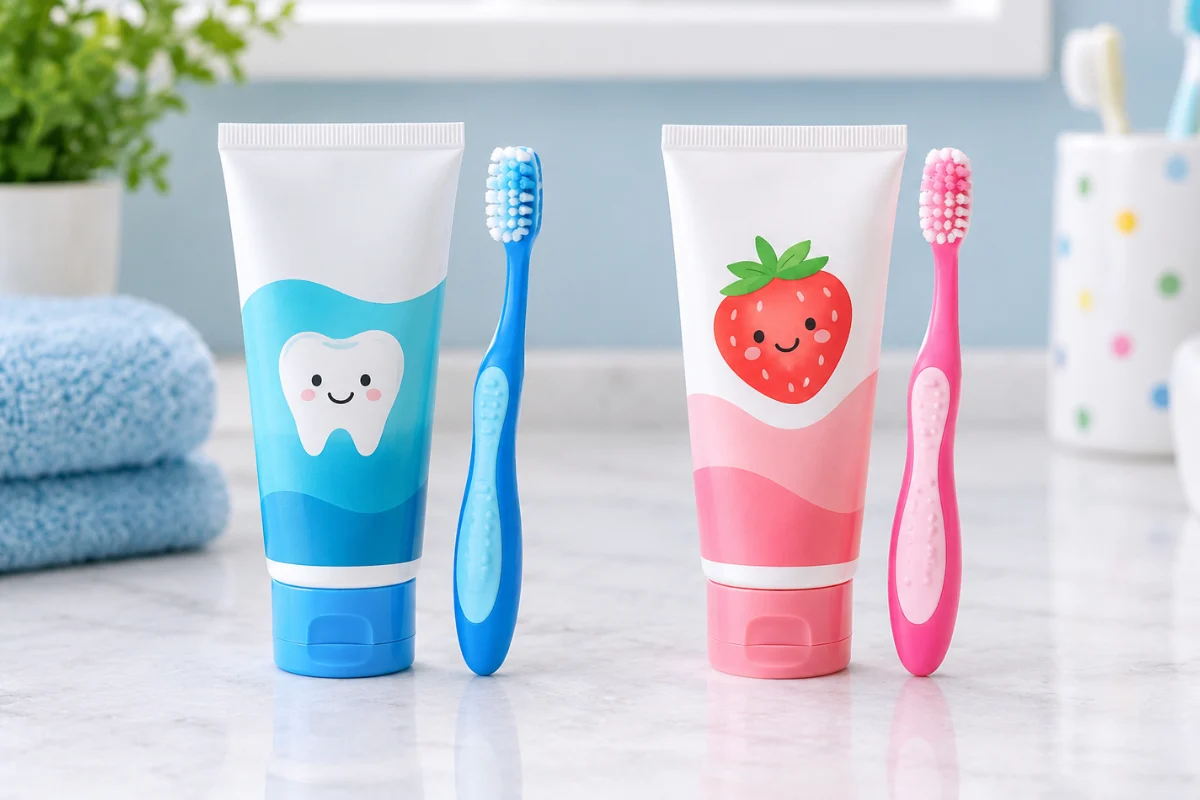
Both types of toothpaste can be part of a brushing routine, but they are not interchangeable when it comes to proven cavity protection.
| Feature | Fluoride toothpaste | Fluoride-free toothpaste |
|---|---|---|
| Plaque removal | Helps when used with proper brushing | Helps when used with proper brushing |
| Cavity prevention | Strong, established evidence | Depends on the formula; evidence varies |
| Enamel protection | Helps resist acid attacks and supports remineralization | Depends on alternative ingredients |
| Fluoride ingestion | Possible if swallowed | No fluoride from the toothpaste itself |
| Ingredients | Contains a fluoride compound plus other ingredients | Contains no added fluoride; other ingredients vary |
| Best consideration | Reliable cavity protection with age-appropriate use | Family ingredient preferences and individual needs |
| Higher cavity risk | Often an important part of prevention | May not provide sufficient protection on its own |
The comparison is not simply about choosing the product with fewer ingredients. It is about balancing safety, effectiveness, and your child’s individual dental needs.
For most children, the established cavity-prevention benefits of fluoride toothpaste make it the preferred option. Parents who want a fluoride-free formula should discuss how to maintain adequate cavity protection with their child’s dentist.
Should Babies and Toddlers Use Fluoride-Free Toothpaste?
Babies and toddlers need dental care as soon as their first teeth emerge. Their enamel can be affected by acids produced by plaque bacteria, and early childhood cavities can develop before parents realize there is a problem.
Although young children may swallow toothpaste, U.S. dental recommendations generally advise beginning with a very small amount of fluoride toothpaste when the first tooth appears. The amount is kept small to reduce unnecessary ingestion while providing cavity protection.
Fluoride or No Fluoride Toothpaste for a 1-Year-Old?
For most 1-year-olds, professional dental guidance favors a rice-sized smear of fluoride toothpaste rather than routinely substituting a fluoride-free product.
A 1-year-old may not know how to spit, so the parent should dispense the toothpaste and brush the child’s teeth. Use a soft, child-sized toothbrush and avoid allowing your toddler to suck on or eat toothpaste directly from the tube.
If your child has special health considerations or you have concerns about fluoride exposure, ask a pediatric dentist or pediatrician for individualized advice. The right decision should account for cavity risk and overall fluoride exposure, not swallowing concerns alone.
How Much Fluoride Toothpaste Should Young Children Use?
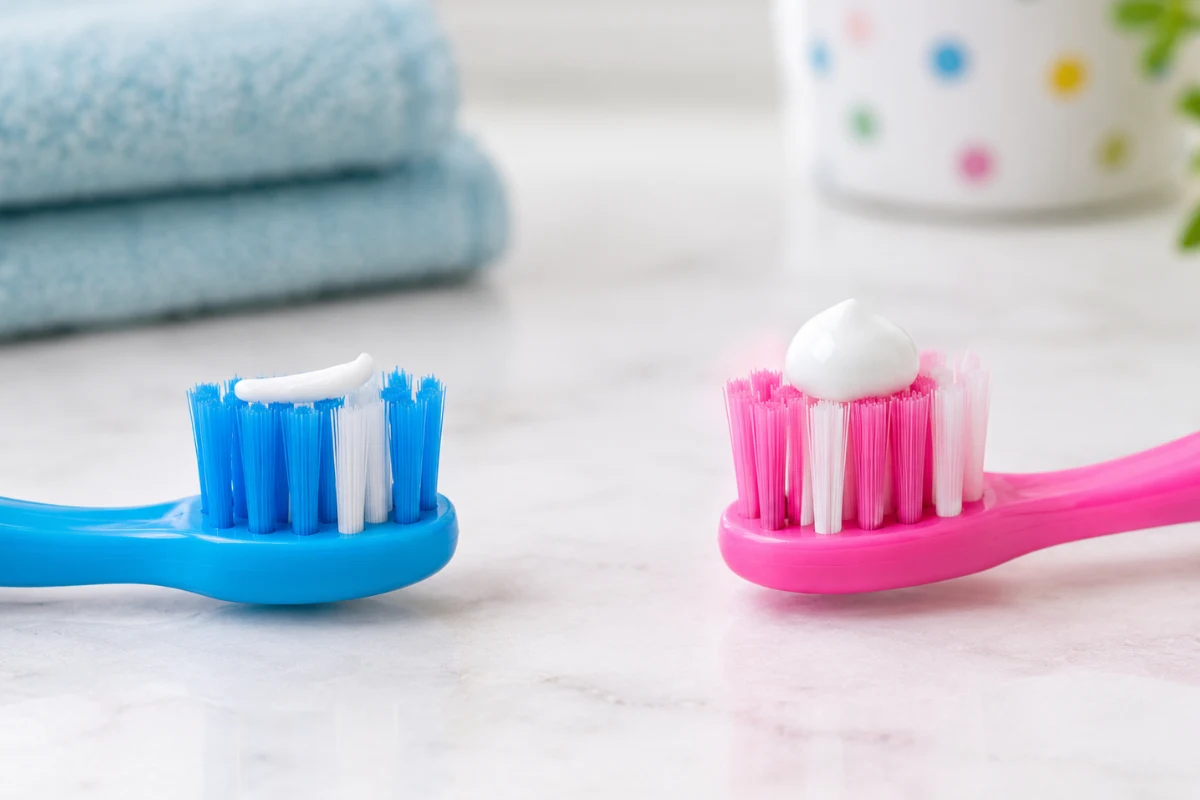
The American Dental Association recommends the following amounts for children
From the first tooth until age 3
- Use a smear no larger than a grain of rice
Ages 3–6
1 . Use no more than a pea-sized amount.
An adult should supervise brushing and help the child spit out excess toothpaste when they are able. For children younger than 2, the CDC advises parents to consult their doctor or dentist about fluoride toothpaste use.
The goal is not to use more toothpaste for stronger protection. A small, appropriate amount, used consistently and correctly, is the key.
.
How to Choose the Right Toothpaste for Your Child
Choosing the best toothpaste for kids involves more than age or flavor. Consider the child’s cavity history, ingredient sensitivities, brushing habits, and ability to cooperate during brushing.
Check the Ingredients and Fluoride Content
Read the package rather than relying on front-label claims. If cavity prevention is your priority, choose an age-appropriate fluoride toothpaste and follow the product directions.
In the United States, the ADA Seal of Acceptance can help consumers identify products that meet the ADA’s applicable safety and effectiveness criteria.
If you’re considering a fluoride-free product, check its active ingredients and the evidence behind its claims. Do not assume that a product is suitable for swallowing simply because it is advertised for babies or toddlers.
Consider Your Child’s Cavity Risk and Dental Needs
A child with a history of tooth decay may need a more targeted prevention plan than a child with no previous cavities and good oral hygiene.
Before choosing a product, consider:
- Previous cavities: Ask whether your child needs additional preventive care.
- Diet: Frequent sugary snacks and drinks can increase the risk of decay.
- Brushing ability: Younger children need hands-on help from an adult.
- Sensitivity: If a formula causes discomfort, discuss alternatives with a dentist.
- Fluoride exposure: Your dentist can consider drinking water and other sources when evaluating your child’s needs.
When in doubt, a pediatric dentist can help you choose a toothpaste based on your child’s actual risk rather than marketing claims or online trends.
How to Protect Kids’ Teeth With or Without Fluoride-Free Toothpaste
Toothpaste is only one part of a child’s oral hygiene routine. Daily brushing, healthy eating habits, and regular dental visits all help reduce the risk of tooth decay.
If your family chooses fluoride-free toothpaste, be aware that good brushing habits do not automatically replace fluoride’s proven cavity-prevention benefits. Ask your child’s dentist whether additional preventive measures are needed.
Brush Twice Daily With the Right Amount of Toothpaste
Brush your child’s teeth twice a day, including before bedtime. Use a soft-bristled, child-sized toothbrush and gently clean every tooth surface.
For example, a parent can brush a toddler’s teeth after breakfast and again before the bedtime routine. Dispense the toothpaste yourself, keep brushing gentle, and supervise the child throughout the process.
Continue helping until your child can brush effectively on their own. Being able to hold a toothbrush does not necessarily mean a child can clean every surface properly.
Limit Sugary Snacks and Drinks
Plaque bacteria use sugars to produce acids that attack tooth enamel. Frequent exposure can increase the likelihood of cavities, especially when sugary foods and drinks are consumed throughout the day.
Helpful habits include:
- Offer water between meals instead of sugary drinks.
- Limit frequent sweets, sticky snacks, and sweetened beverages.
- Serve balanced meals and tooth-friendly snacks.
- Avoid putting your baby to bed with a bottle containing juice or other sugary drinks.
Milk and other nutritious foods can be part of a healthy diet, but how often teeth are exposed to sugars matters too. Encourage regular meals rather than constant grazing on sweet snacks.
Schedule Regular Pediatric Dental Checkups
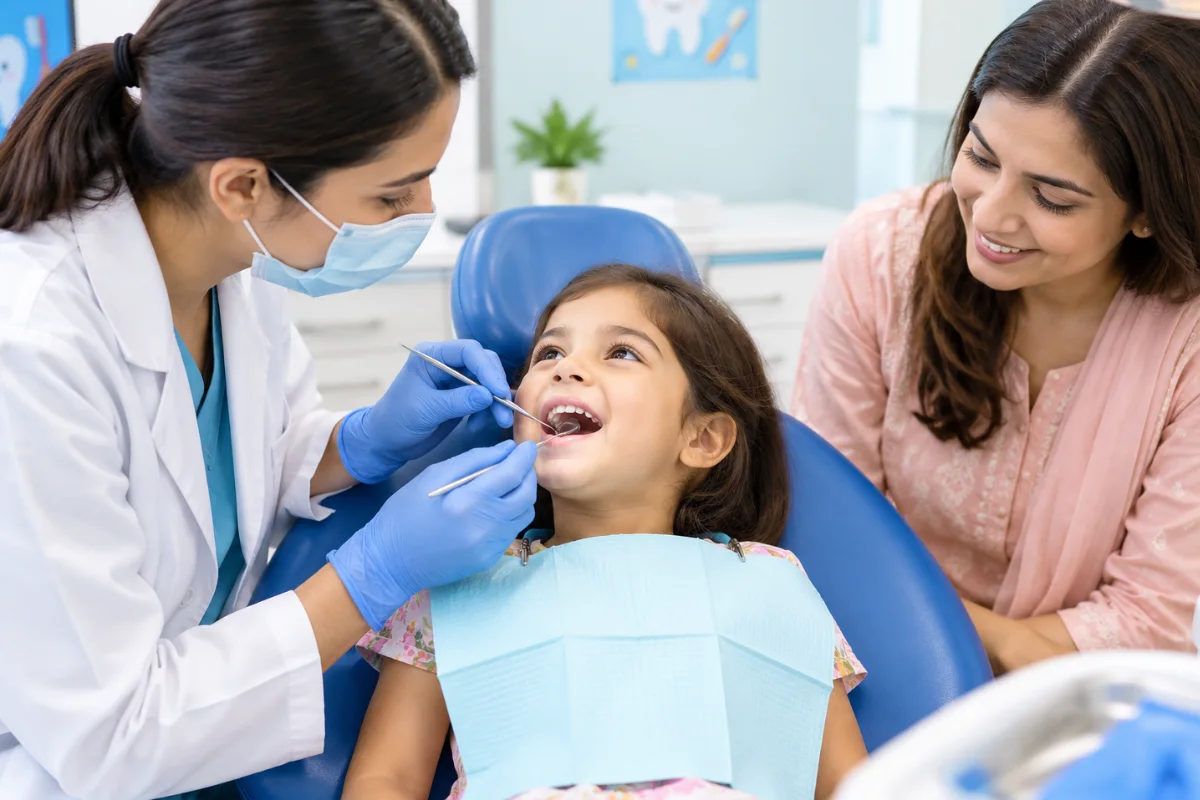
Your child’s dentist can identify early signs of tooth decay, evaluate enamel health, and assess cavity risk before problems become more serious.
The ADA recommends establishing a dental home by the first birthday, or within six months of the first tooth appearing.
Final Thoughts: Is Fluoride-Free Toothpaste Better for Kids?
Fluoride-free toothpaste may appeal to parents who prefer certain ingredients or want to avoid fluoride ingestion from toothpaste. However, for most children, fluoride toothpaste remains the better-established choice for preventing cavities and protecting tooth enamel.
Parents do not need to apply a large amount to get the intended benefit. Using an age-appropriate quantity, supervising brushing, limiting sugary snacks, and scheduling regular dental visits can help balance cavity prevention with concerns about swallowing.
If you’re unsure which toothpaste is right for your child, ask a pediatric dentist to consider their age, cavity history, and individual needs. A thoughtful choice should support both safe brushing and long-term oral health.
FAQs About Fluoride-Free Toothpaste for Kids
- 1 Is fluoride-free toothpaste safe for kids?Many fluoride-free toothpastes can be used by children when the product is appropriate for their age and used according to its directions. However, safety depends on the complete formulation, and fluoride-free does not automatically mean safer. These products also do not provide fluoride's established cavity-prevention benefits.
- 2 Do dentists recommend fluoride-free toothpaste for children?For most children, U.S. dental organizations recommend age-appropriate fluoride toothpaste to help prevent cavities. A dentist may discuss fluoride-free alternatives based on individual circumstances, but parents should understand the potential trade-off in cavity protection.
- 3 Can fluoride-free toothpaste prevent cavities?Fluoride-free toothpaste can help remove plaque and food debris, and some formulas contain alternative ingredients intended to support oral health. However, the strength of evidence varies, and fluoride-free products should not automatically be considered equivalent to fluoride toothpaste for cavity prevention.
- 4 Is fluoride toothpaste safe if a child swallows a little?Using the recommended small amount reduces the amount of fluoride a child could swallow. The ADA recommends a rice-sized smear for children younger than 3 and a pea-sized amount for children ages 3–6, with adult supervision. Repeatedly swallowing large amounts is different from accidentally swallowing a small amount. If a child swallows a large amount of toothpaste, contact Poison Control in the United States at 1-800-222-1222 for advice.
- 5 Can kids switch from fluoride-free to fluoride toothpaste?Yes. Children can generally switch to an age-appropriate fluoride toothpaste. Start with the recommended amount and supervise brushing. If your child has special dental needs, frequent cavities, or a history of reactions to toothpaste ingredients, ask a pediatric dentist for guidance.