
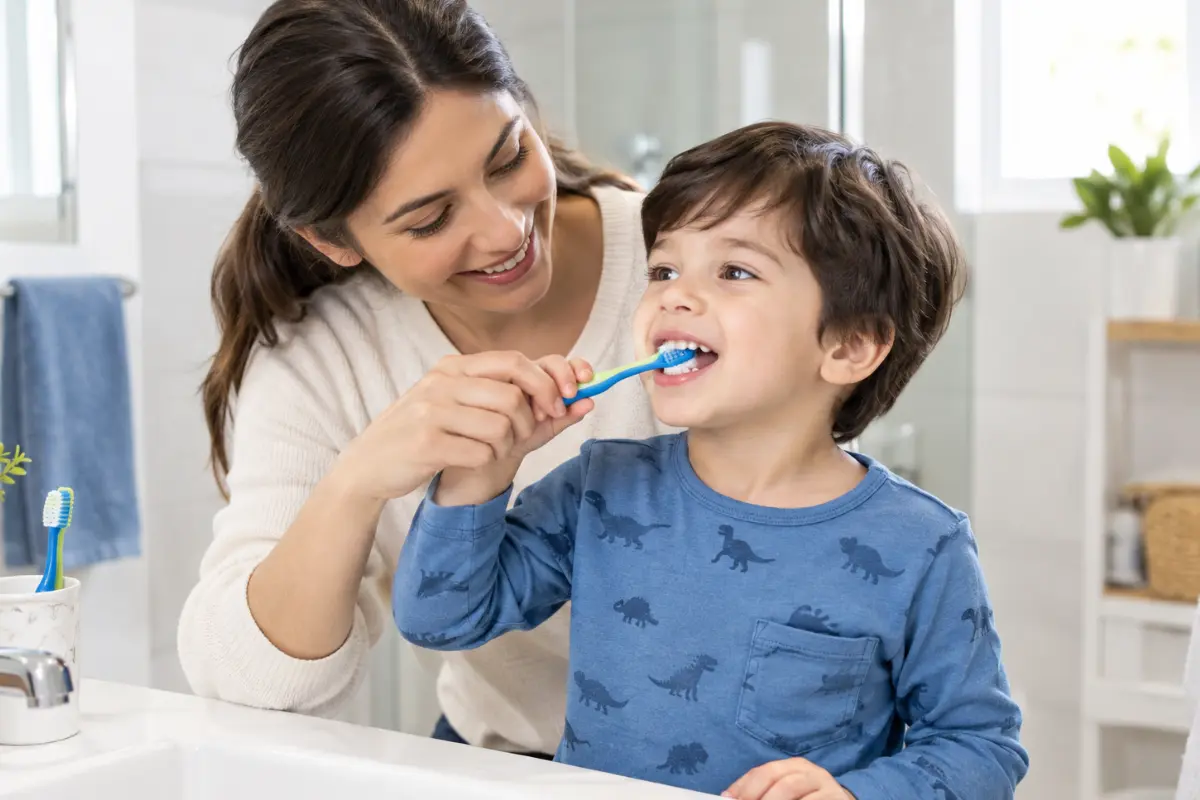
Learning how to prevent cavities in children starts with simple habits that become part of your child’s daily routine. Tooth decay can develop when bacteria in the mouth use sugars from foods and drinks to produce acids that damage tooth enamel. The good news is that parents can take practical steps to lower this risk.
Knowing how to prevent cavities in children means more than just reminding your child to brush. Regular brushing with fluoride toothpaste, cleaning between teeth, choosing tooth-friendly foods, drinking water, and visiting the dentist all play an important role.
In this guide, you’ll learn how to prevent cavities in children with 10 simple tips, plus early warning signs parents should watch for and answers to common questions about children’s dental health.
1. Start Early With Oral Care

Good oral care should begin before your baby has a full set of teeth. Starting early helps keep the mouth clean and makes dental care feel normal as your child grows.
When to Start Oral Care for Your Baby
Parents can begin cleaning a baby’s mouth before the first tooth appears. Gently wipe the gums with a clean, soft, damp cloth after feedings.
Once the first tooth erupts, begin brushing it with a small, soft-bristled toothbrush and an age-appropriate amount of fluoride toothpaste.
Early care also gives parents a chance to establish a consistent oral hygiene routine before dental problems develop.
Why Early Dental Care Matters
Baby teeth help children chew food, speak clearly, and maintain space for permanent teeth. Although they eventually fall out, they still need proper care.
Cavities in baby teeth can cause pain and may interfere with eating, sleeping, and normal daily activities. Early dental care can help identify problems before they become more serious.
2. Brush Twice a Day With Fluoride Toothpaste
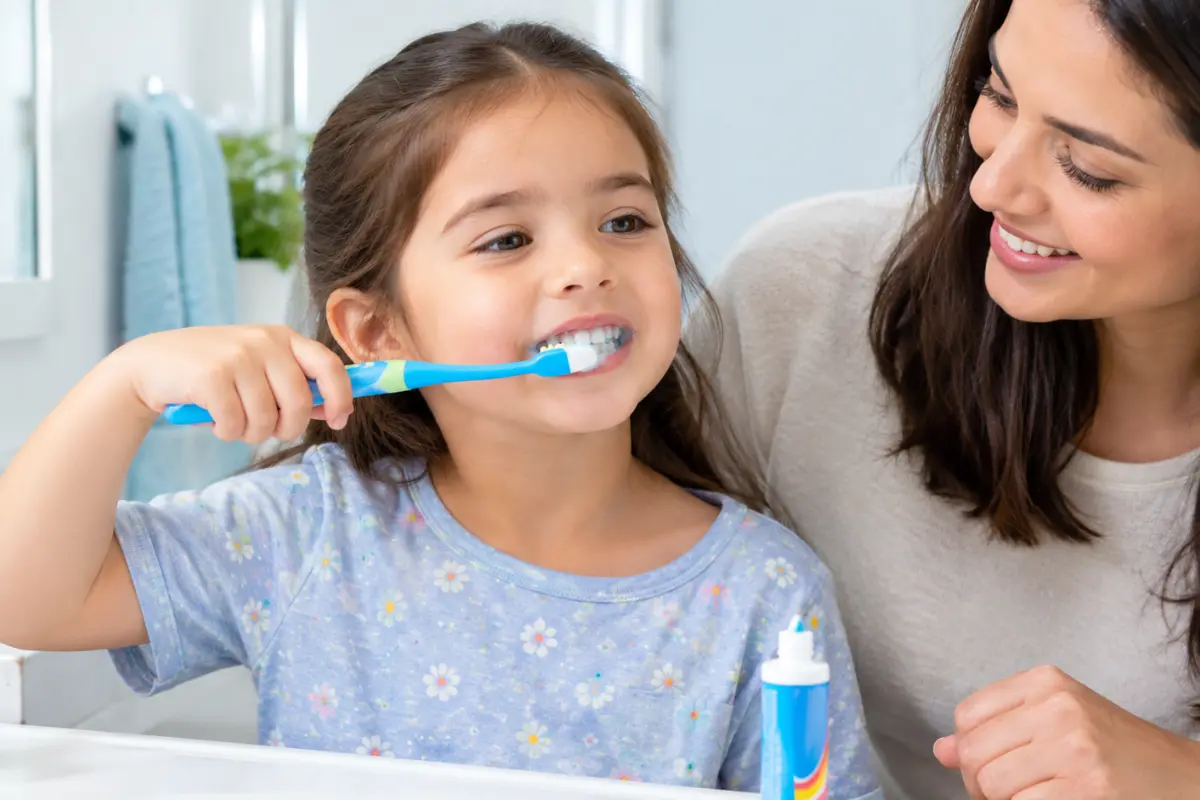
Brushing is one of the most important daily habits for preventing childhood cavities. Fluoride toothpaste helps remove plaque while providing fluoride that can strengthen tooth enamel.
The key is consistency. Children should have a brushing routine in the morning and before bed.
How Often Should Kids Brush Their Teeth?
Children should brush their teeth twice a day, especially before bedtime.
Brushing removes plaque and food particles that collect on teeth throughout the day. Bedtime brushing is particularly important because children have a long period without eating or drinking while they sleep.
Parents should make brushing part of the same daily routine, such as brushing after breakfast and again before the bedtime routine.
How Much Fluoride Toothpaste Should Kids Use?
The amount of toothpaste depends on the child’s age.
For children younger than 3 years, the CDC recommends using a rice-sized amount of fluoride toothpaste. For children ages 3 to 6, use a pea-sized amount.
Parents should supervise young children so they use the appropriate amount and avoid swallowing toothpaste.
3. Choose the Right Toothbrush and Teach Proper Brushing
A good toothbrush makes daily cleaning easier. Children need a toothbrush that fits comfortably in their mouth and allows them to reach both the front and back teeth.
Parents should also teach children that brushing is about cleaning every tooth surface, not simply moving the toothbrush around quickly.
How to Prevent Cavities in Children Choose a Toothbrush for Kids
Look for a toothbrush with soft bristles and a small, child-sized head. A comfortable handle can also make it easier for a child to control the brush.
The toothbrush should reach the teeth without causing discomfort. Parents should replace it when the bristles become worn or damaged.
The best toothbrush is one your child can use comfortably and consistently as part of a daily dental routine.
Teach Kids the Right Brushing Technique
Show your child how to brush gently along the gumline and across the surfaces of the teeth.
Make sure they clean the:
- Front surfaces of the teeth
- Back surfaces of the teeth
- Chewing surfaces
- Areas along the gumline
Encourage gentle movements rather than aggressive scrubbing. Brushing too hard does not make teeth cleaner and can irritate the gums.
4. Supervise Brushing Until Your Child Is Ready
Young children often want to brush their own teeth, but wanting independence does not always mean they can clean every surface effectively.
Parents can allow children to practice while still helping when needed.
Why Parents Should Help With Brushing
Children are still developing the coordination needed for thorough brushing. They may miss the back teeth, gumline, or chewing surfaces.
A useful approach is to let your child brush first and then have a parent finish the job. This allows children to practice independence while making sure their teeth are properly cleaned.
When Can Kids Brush Their Teeth on Their Own?
There is no single age when every child suddenly becomes ready to brush completely independently.
Readiness depends on the child’s coordination, ability to follow instructions, and ability to clean all tooth surfaces effectively.
Parents should continue supervising until they are confident their child can brush thoroughly without help.
5. Make Flossing a Daily Habit

A toothbrush cannot effectively clean every area between teeth. Once two teeth touch, cleaning between them becomes an important part of daily oral hygiene.
Flossing helps remove plaque and food particles from places a toothbrush cannot easily reach.
The American Dental Association recommends cleaning between your child’s teeth daily when the teeth touch each other, helping remove plaque from areas a toothbrush cannot reach.
When Should Kids Start Flossing?
Children should start flossing when they have teeth that touch each other.
The exact age can vary because children’s teeth develop differently. If there is a space between two teeth, floss may not be needed in that area yet. Once teeth contact each other, cleaning between them becomes important.
Parents may need to floss for younger children until they develop enough coordination to do it properly.
How Flossing Helps Prevent Cavities
Plaque can build up between teeth even when the visible surfaces look clean.
Flossing helps remove this buildup from tight spaces. It also helps clean areas that a toothbrush cannot reach.
Make flossing part of the same daily routine as brushing so it becomes a normal habit rather than something children only do occasionally.
6. Limit Sugary, Sticky, and Starchy Foods
Food choices can influence cavity risk, especially when children frequently consume sugary or sticky foods and drinks.
Parents do not need to eliminate every sweet treat. Instead, focus on reducing frequent exposure to sugar and choosing healthier options more often.
Which Foods and Drinks Increase Cavity Risk?
Foods and drinks that can contribute to tooth decay include:
- Candy and other sugary treats
- Sticky sweets such as caramel and taffy
- Cookies and sweet desserts
- Sugary cereals
- Soda and other sugar-sweetened drinks
- Sweetened juice drinks
- Some dried fruits
- Starchy snacks that can remain around teeth
Sticky foods may stay on teeth longer, while sugary drinks can expose teeth to sugar without making children feel full.
The frequency of exposure matters, so choosing water between meals and limiting sugary snacks can help protect children’s teeth.
Why Frequent Snacking Can Affect Children’s Teeth
Every time children eat foods containing sugars or fermentable carbohydrates, bacteria in plaque can produce acids.
Frequent snacking can give teeth repeated acid exposure throughout the day. Instead of allowing children to snack continuously, parents can offer structured meals and snacks.
After eating, drinking water can also help clear food particles and dilute acids in the mouth.
7. Encourage Water and Tooth-Friendly Foods

Healthy eating habits support both general health and oral health. One simple change is to make water the main drink throughout the day.
Parents can also offer foods that are nutritious and less likely to expose teeth to added sugars.
Choose Water Instead of Juice or Soda
Water is a simple choice for keeping children hydrated without adding sugar to the diet.
Regularly choosing water instead of soda, sweetened drinks, or frequent juice can reduce children’s exposure to added sugars.
If your local water supply contains fluoride, drinking fluoridated tap water can also provide an additional source of fluoride.
Encourage Tooth-Friendly Foods
Instead of relying heavily on sugary snacks, offer a variety of nutritious foods such as:
- Fresh vegetables
- Whole fruits
- Plain yogurt
- Cheese
- Nuts when age-appropriate and safe
- Leafy greens
- Whole grains
- Water
Cheese and other dairy foods can be useful additions to a balanced diet, while crunchy fruits and vegetables can provide nutritious snack options.
The goal is not to create a perfect diet. It is to build everyday eating habits that support healthy teeth.
8. Consider Dental Sealants and Protect Teeth at Home
Some areas of children’s teeth are harder to clean than others. The grooves and pits on back teeth can trap food particles and plaque.
Dental sealants may provide an additional layer of protection for certain teeth.
How Dental Sealants Help Protect Children’s Teeth
Dental sealants are protective coatings placed on the chewing surfaces of certain back teeth.
The American Dental Association explains that dental sealants can help protect these teeth from cavities by covering grooves and pits where plaque and food particles can collect.
Sealants do not replace brushing, fluoride toothpaste, flossing, or regular dental care. They are an additional preventive measure.
What Parents Can Do at Home to Prevent Cavities
Parents can lower cavity risk by keeping daily habits consistent.
At home, focus on:
- Brushing twice a day with fluoride toothpaste
- Cleaning between teeth when they touch
- Limiting frequent sugary snacks and drinks
- Choosing water regularly
- Supervising younger children’s brushing
- Avoiding bedtime habits that expose teeth to sugary drinks
Small habits repeated every day can make dental care easier for both parents and children.
9. Schedule Regular Dental Checkups
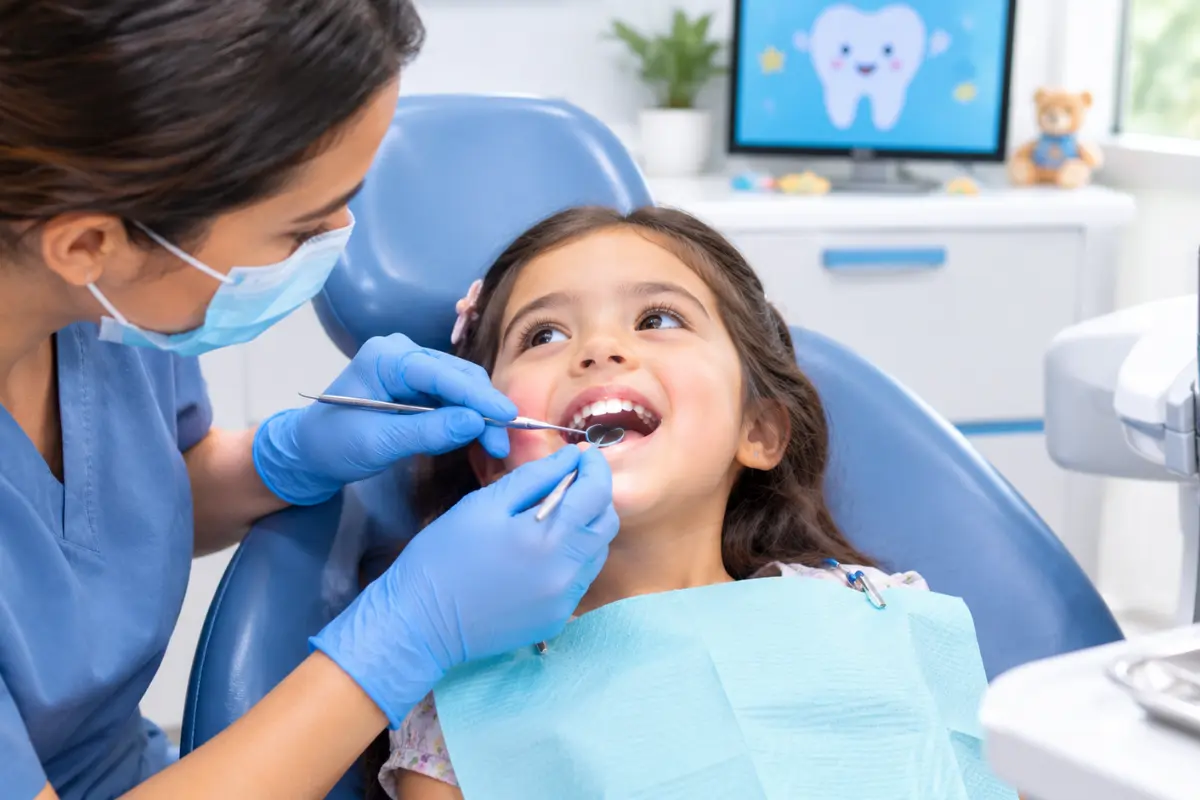
Home care is important, but children also need professional dental care. Regular visits allow a dentist to monitor tooth development and look for early signs of dental problems.
Dental visits can also help parents understand which preventive steps are appropriate for their child’s age and oral health.
How Often Should Children Visit the Dentist?
Your child’s dentist can recommend a schedule based on their individual dental needs.
Regular dental visits allow the dental team to monitor teeth, gums, oral development, and cavity risk.
Children should not wait until they have tooth pain before seeing a dentist. Preventive visits are designed to identify and manage problems early.
What Can a Dentist Check During a Visit?
During a dental visit, the dentist may examine:
- Teeth and gums
- Plaque buildup
- Signs of tooth decay
- Tooth development
- Oral hygiene habits
- Bite and dental development
- Need for preventive treatments such as sealants
The dental team can also provide age-appropriate guidance about brushing, flossing, fluoride, diet, and other aspects of oral care.
10. Build a Consistent Daily Dental Routine
Children benefit from predictable routines. When brushing, flossing, and healthy food choices become part of everyday life, children are more likely to maintain these habits as they grow.
The goal is to make dental care simple, consistent, and positive.
Do Not Let Kids Go to Bed Without Brushing
Nighttime brushing should be a non-negotiable part of your child’s routine.
After brushing, avoid giving children sugary drinks or snacks before sleep. If a child needs a drink, water is the better choice for protecting teeth.
A consistent bedtime routine can help prevent long periods of exposure to sugars while the child sleeps.
Replace Toothbrushes Regularly
Toothbrushes become less effective as their bristles wear down.
Check your child’s toothbrush regularly and replace it when the bristles become frayed or damaged. A new toothbrush may also be needed after certain illnesses, depending on your dentist’s advice.
Make Dental Hygiene Positive and Fun
Children may resist brushing when it feels like a chore.
Parents can make the routine easier by using a simple brushing song, letting children choose an age-appropriate toothbrush, or creating a predictable morning and bedtime routine.
Positive encouragement is usually more helpful than turning brushing into a daily argument.
Early Signs of Cavities in Children
Knowing the early signs of tooth decay can help parents seek dental care before a problem becomes more advanced.
Some cavities may not cause obvious symptoms at first, so regular dental examinations remain important.
What Early Cavity Signs Should Parents Watch For?
Parents may notice:
- White or chalky areas on a tooth
- Brown or dark spots
- Visible holes or pits
- Tooth sensitivity
- Pain when eating
- Food repeatedly getting stuck in one area
- Swelling around a tooth
Not every discoloration means a cavity, and parents should not try to diagnose tooth decay at home.
When Should Parents Call a Dentist?
Contact your child’s dentist if you notice tooth pain, visible holes, swelling, unusual sensitivity, or changes in the appearance of a tooth.
A dental professional can determine whether the problem is tooth decay or another condition and recommend appropriate treatment.
Early professional care can prevent a small dental problem from becoming more complicated.
Final Thoughts
Learning how to prevent cavities in children is mainly about building consistent habits rather than trying to follow a perfect routine. Brush twice a day with fluoride toothpaste, clean between touching teeth, limit frequent sugary foods and drinks, choose water regularly, and keep routine dental visits.
Parents should also pay attention to early changes in their child’s teeth and contact a dentist when something looks unusual. With steady support and age-appropriate guidance, children can develop healthy dental habits that protect their teeth as they grow.
FAQs: How to Prevent Cavities in Children
- 1 What Is the Most Common Cause of Cavities in Kids?
Cavities develop through a combination of factors rather than one single cause. Frequent exposure to sugars and acids, plaque, inadequate cleaning, and other individual risk factors can all contribute to tooth decay. Children who have certain medical or dental conditions may also have different levels of risk.
- 2 What Is the Best Way to Prevent Cavities in Kids?The strongest prevention approach is a consistent combination of twice-daily brushing with fluoride toothpaste, daily cleaning between teeth, limiting frequent sugary foods and drinks, choosing water, and maintaining regular dental care.
- 3 How Often Should Kids Brush Their Teeth to Prevent Cavities?Kids should generally brush twice a day with fluoride toothpaste. The ADA recommends brushing for two minutes twice daily, while parents should supervise young children and make sure they use an age-appropriate amount of toothpaste.
- 4 Is It My Fault My Kid Has Cavities?No. Cavities are influenced by multiple factors, including diet, oral hygiene, fluoride exposure, saliva, dental development, and individual cavity risk. If your child has cavities, focus on what you can change now and discuss the situation with the child's dentist.
- 5 Can You Treat Cavities in Baby Teeth Naturally at Home?Home care can help prevent further problems and support overall oral health, but parents should not assume that an established cavity can be cured naturally at home. If you see a hole, dark area, pain, swelling, or another concerning change, have your child evaluated by a dentist.